Spotify
-
Spotify is one of the biggest music streaming services that is used across the globe. At the end of March 2020 it was reported that there are over 286 million users and 130 million subscribers (Iqbal 2020). Spotify is able to beat out some of the biggest names in music streaming services such as Pandora, Apple Music, and Soundcloud (Dredge 2020).
Despite it being a multi-platform application (desktop and mobile) the usability test will only be conducted using the mobile app. The reasoning behind this decision is because most of Spotify’s listening is done through mobile devices. The most extreme example of this comes in the Asia Pacific Region with 67% of the streams done through mobile while only 39% on desktop (Iqbal 2020). This is due to the fact that the most accessible way to consume music is to stream it, and doing so with a portable device is more convenient. Therefore, this usability test is timely as more people are turning towards music streaming services to do their listening.
-
These are example tasks in which it includes expected usability and interface issues that participants would encounter when using Spotify to complete a task.
Example Task 1: Find your own profile and edit it.
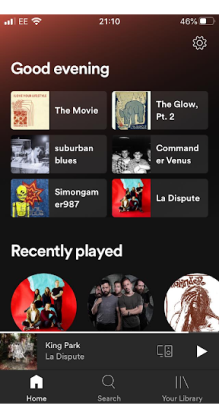
Tap cogwheel icon
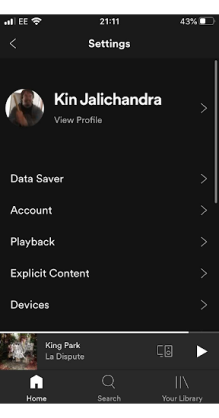
Tap “View Profile”
Tap “Edit Profile”
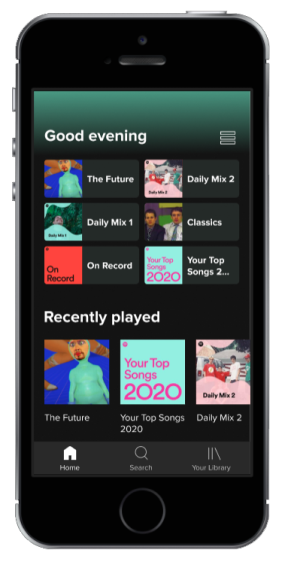
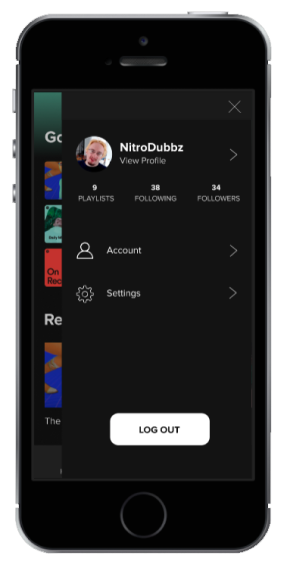
The participant may not be able to find their profile as it is hidden underneath the cogwheel icon. The cogwheel icon is not necessarily associated with showing your profile so this may cause the participant to become lost, which would lead them to find another way to find your profile inefficiently . The alternative way that participants can find their own profile is by searching up the given username on the search tab. However, this alternative way should never even be explored as it is inefficient to search yourself. Moreover, this might still cause problems if the name is a common name as participants would be bombarded with millions of other users with the same name without any real indication of which one is the right one.
Usability test & redesign
Introduction
Spotify is one of the biggest music streaming services that is used across the globe. At the end of March 2020 it was reported that there are over 286 million users and 130 million subscribers (Iqbal 2020). Spotify is able to beat out some of the biggest names in music streaming services such as Pandora, Apple Music, and Soundcloud (Dredge 2020).
Despite it being a multi-platform application (desktop and mobile) the usability test will only be conducted using the mobile app. The reasoning behind this decision is because most of Spotify’s listening is done through mobile devices. The most extreme example of this comes in the Asia Pacific Region with 67% of the streams done through mobile while only 39% on desktop (Iqbal 2020). This is due to the fact that the most accessible way to consume music is to stream it, and doing so with a portable device is more convenient. Therefore, this usability test is timely as more people are turning towards music streaming services to do their listening.
Stage 1
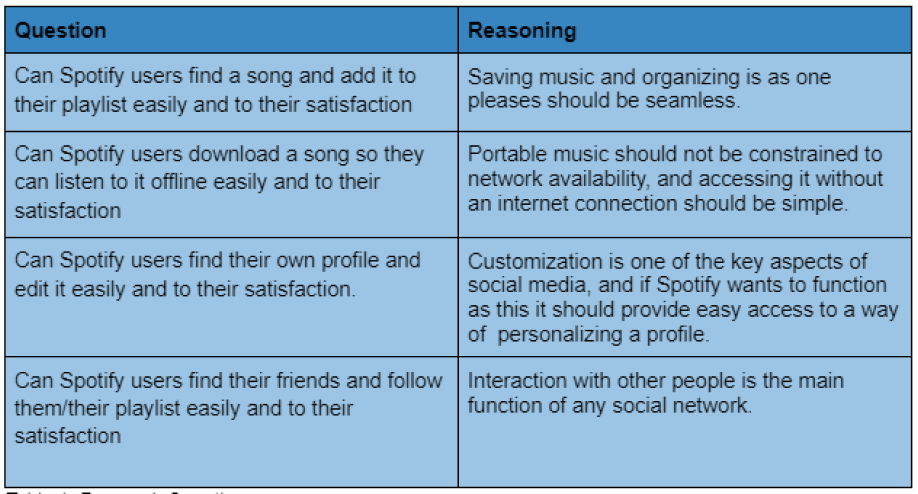
The Existing UI & Research Questions
These are example tasks in which it includes expected usability and interface issues that participants would encounter when using Spotify to complete a task.
Example Task 1: Find your own profile and edit it.
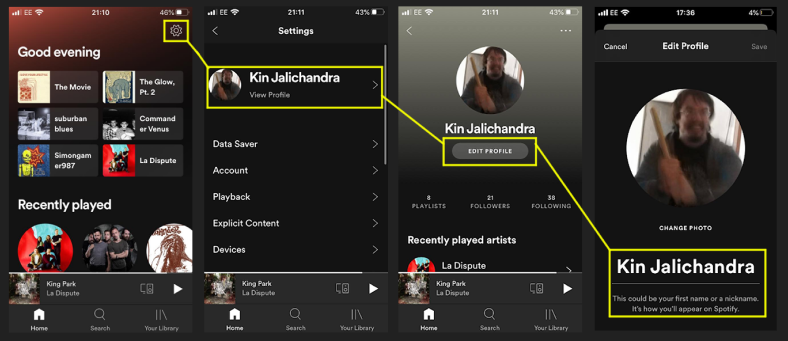
Tap cogwheel icon
Tap “View Profile”
Tap “Edit Profile”
The participant may not be able to find their profile as it is hidden underneath the cogwheel icon. The cogwheel icon is not necessarily associated with showing your profile so this may cause the participant to become lost, which would lead them to find another way to find your profile inefficiently . The alternative way that participants can find their own profile is by searching up the given username on the search tab. However, this alternative way should never even be explored as it is inefficient to search yourself. Moreover, this might still cause problems if the name is a common name as participants would be bombarded with millions of other users with the same name without any real indication of which one is the right one.

The usability test will be conducted using the CIF standard test. Each participant will initially be given time to look through the software in which they will then be interviewed. This will allow us to understand what each participant expects of the core functionality of Spotify in their point of view. As the testing begins, the participants should be speaking and explaining their methodology of doing each individual task. This will allow for a precise examination of each participant's thought process. After each task has been completed, the participants will be asked to give a comment or suggestion to the question “What aspects have made it difficult or easy for you to complete the task. When participants have completed every scenario, they will then be asked to complete a SUS questionnaire.
Participants will be set a task to finish. If they are able to finish the task correctly, the results will be marked as a success, otherwise being marked as failures. Cost(s) and resource(s) will also be taken into account when participants are doing the tasks.
Task Scenario 1: Editing your profile name.
Task Scenario 2: Adding an album to your library.
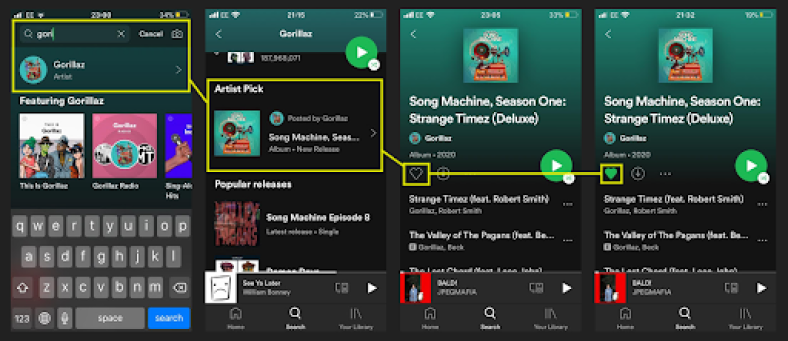
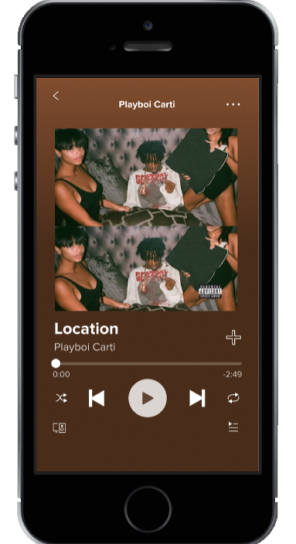
Task Scenario 3: Saving a song to your library and playing it.
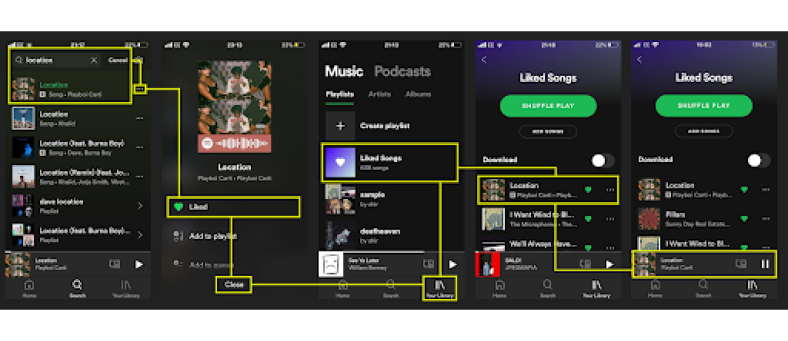
Task Scenario 4: Adding your friend’s playlist into your library.
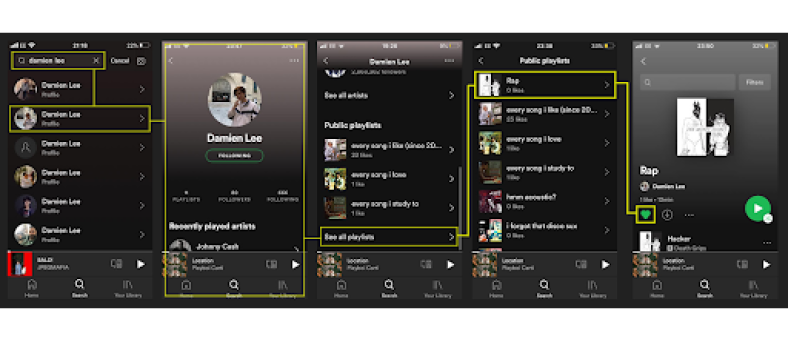
CIF Method and task overview
Stage 3
Reccommendations
Areas that need improvement for Spotify’s mobile app.
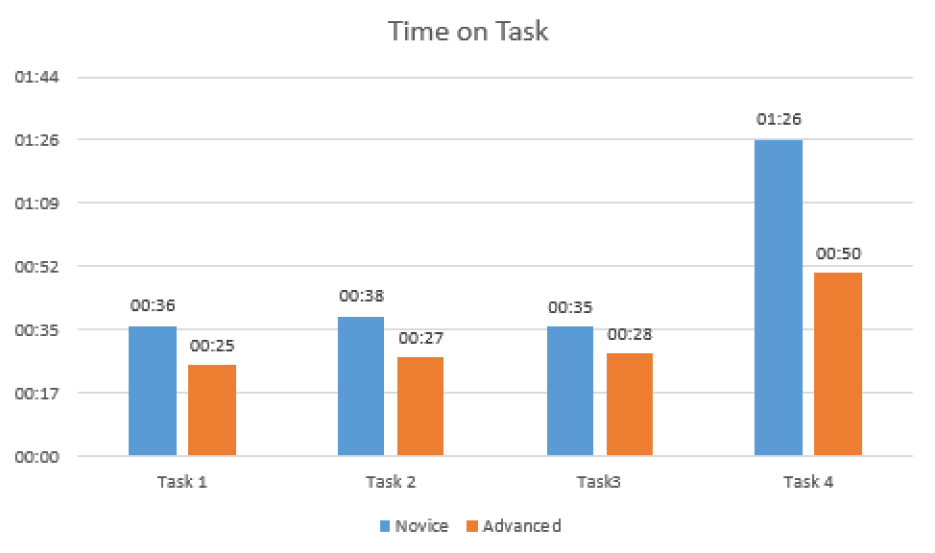
Confusing Terminology. Three novice users did not understand the difference between “downloading” and “liking” music.
Iconography. User profile is hidden under the settings icon. All participants agreed that the settings icon should not represent where the user profile is. This made it especially hard for novice users to find the user profile.
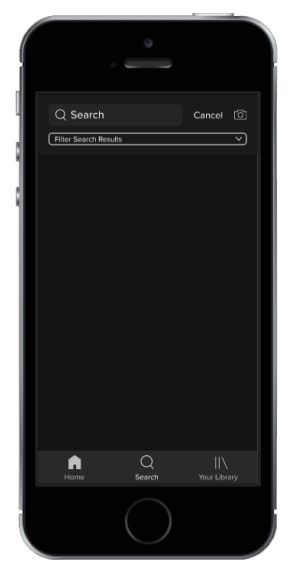
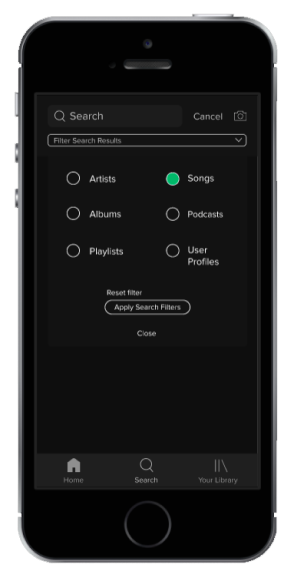
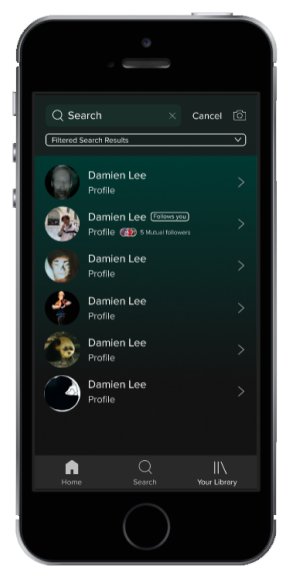
Profile Search. Searching for a specific user in Spotify can become very confusing. This is because there is no indicator to see if the person is the correct person you are looking for. For example, it does not show mutual followers or it does not show that this person is already following you. The search results auto filters. This made it even harder to find the user as artists, songs, and albums automatically showed up in the search results. However, there is an option to filter search results at the bottom but no one noticed or used it.
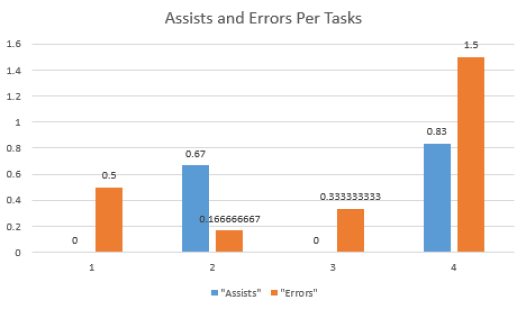
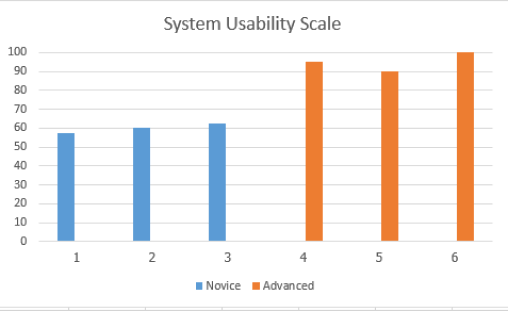
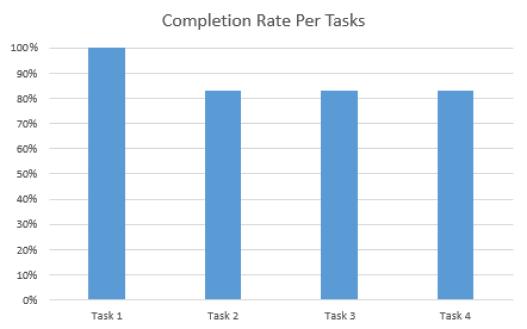
Test results
Stage 4
Redesign based on recommendations