Fast Trade UX Research & Evaluation
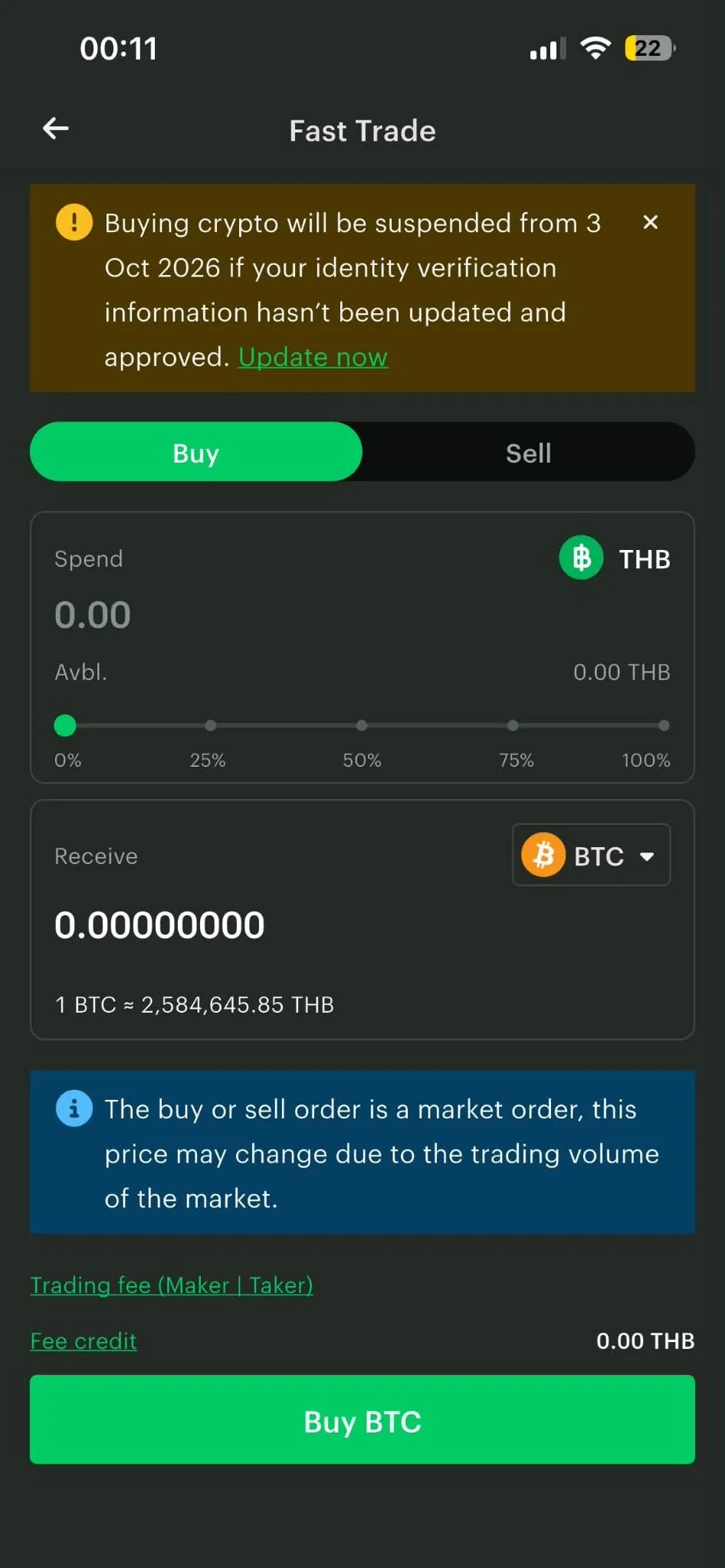
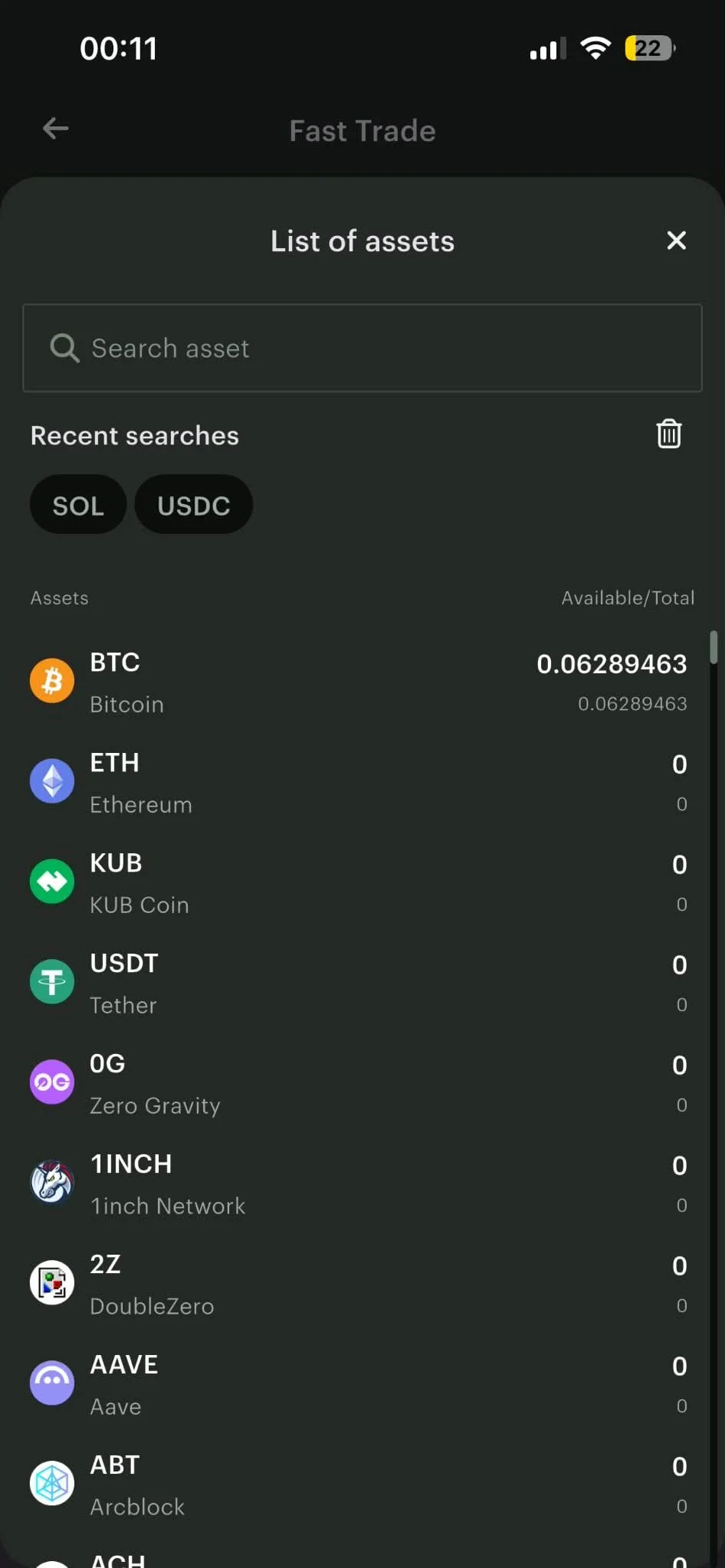
Fast Trade is Bitkub's simplified buy/sell feature — a way to trade crypto instantly without using the full trading terminal. The feature was already built when I joined; my role was to evaluate how users discovered, understood, and interacted with it, and to turn what I found into recommendations. In short, I was brought in to work out why Fast Trade wasn't landing, and to point the way to fixing it.
Disciplines: UX research, usability testing, behavioural analysis, synthesis
Platform: Bitkub mobile app
Overview
Testing Objectives
Understand how users interact with Fast Trade
Identify where confusion happens during discovery and navigation
Evaluate whether users grasp the feature's purpose
Uncover opportunities to improve clarity and accessibility
Research Methodology
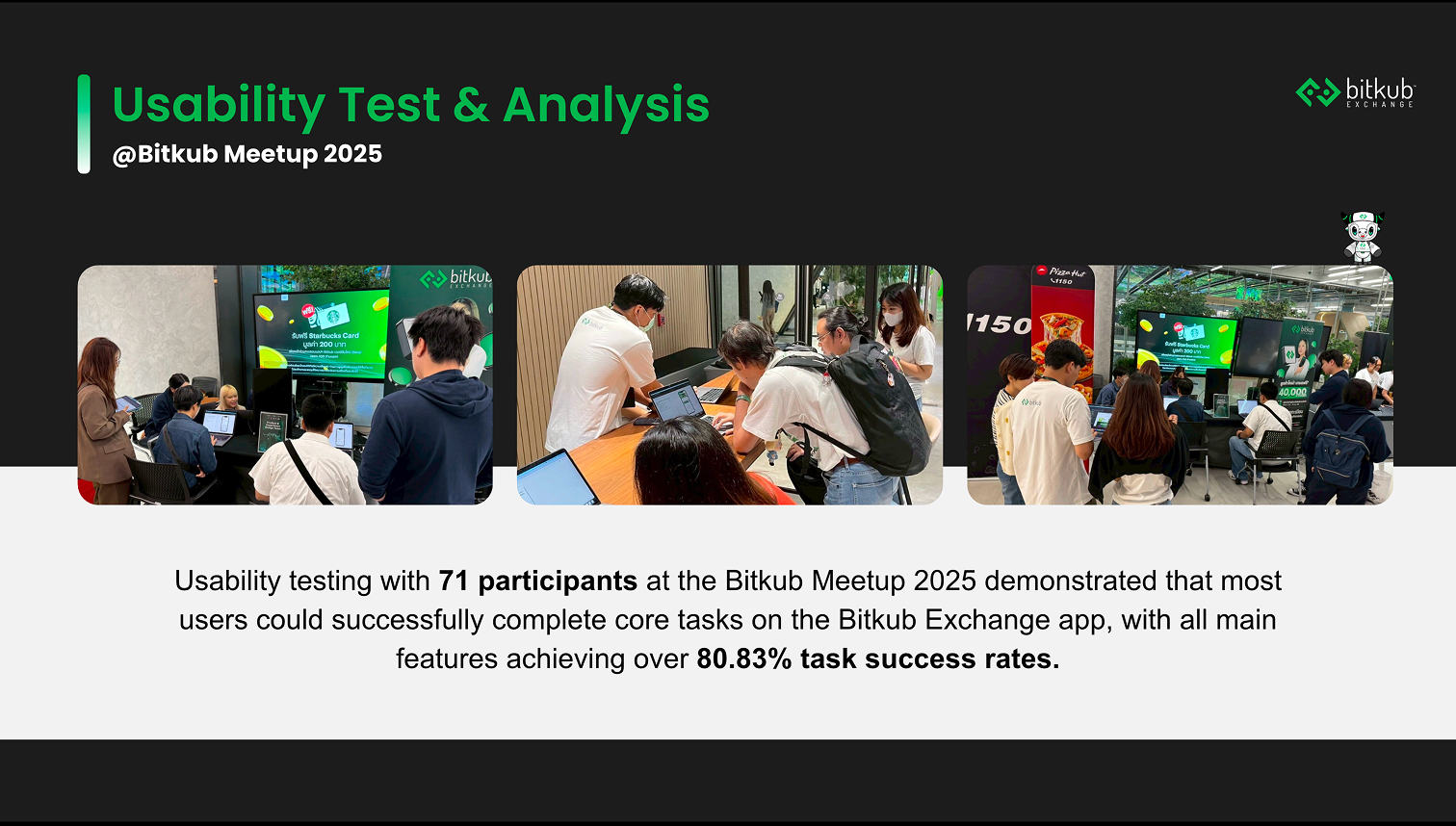
Usability testing — 71 participants completed task-based scenarios (for example, "Purchase ETH worth 5,000 THB using Fast Trade"), while I observed navigation behaviour, hesitation, misclicks, and confidence.
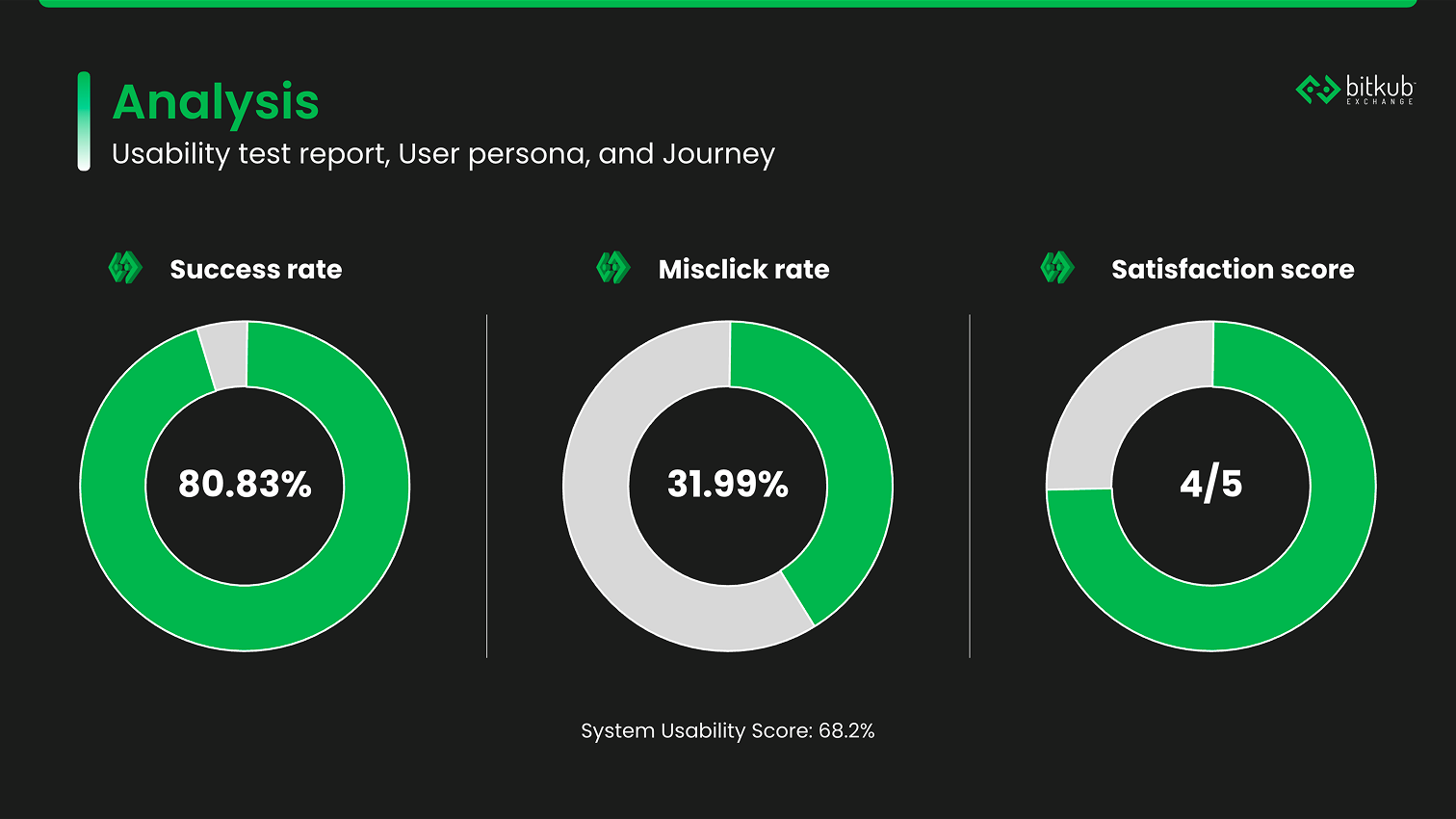
SUS survey — a post-session System Usability Scale to quantify perceived usability, ease of learning, confidence, and satisfaction.
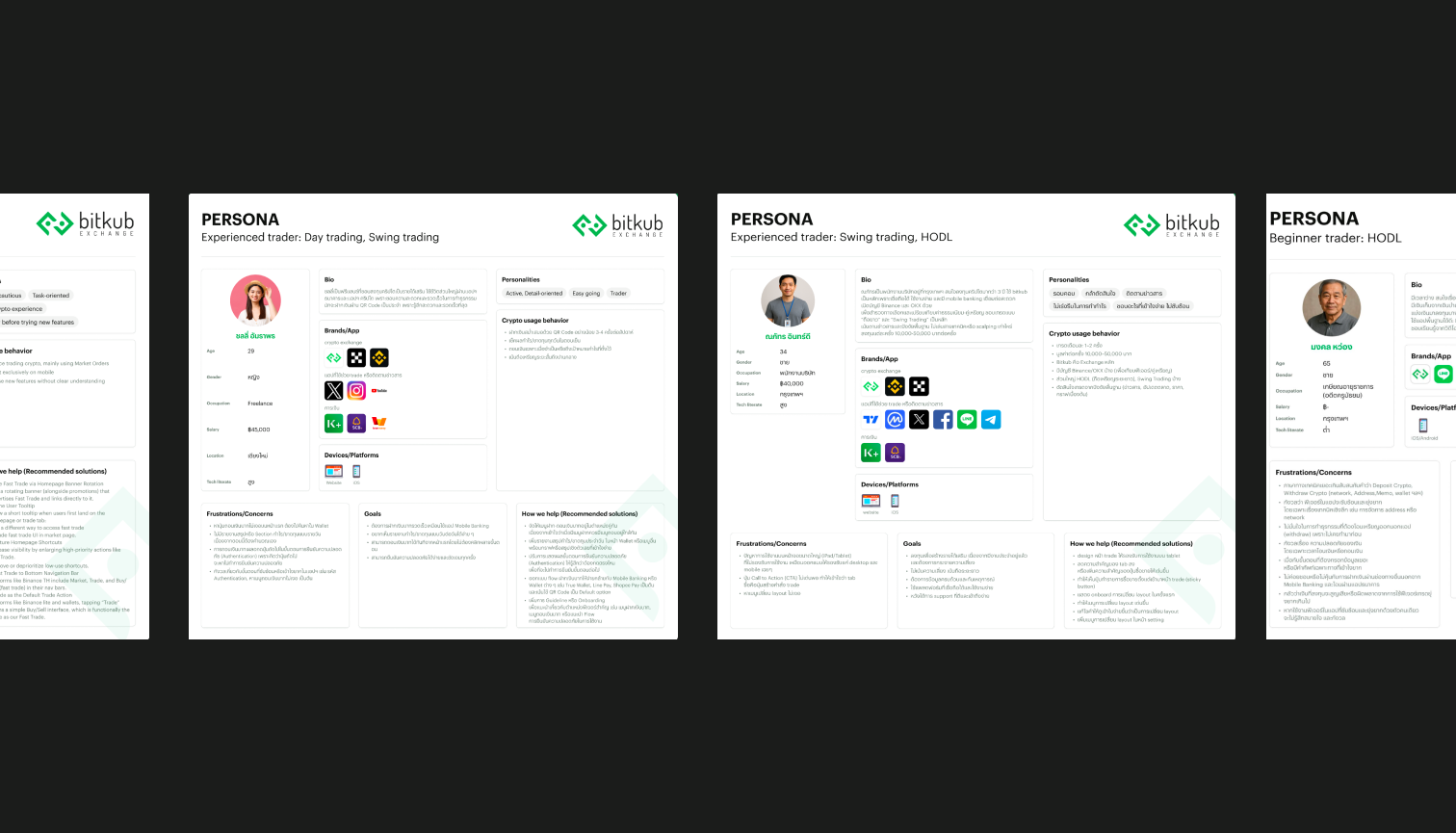
Personas — I grouped users into segments (beginners, HODL investors, swing traders, active traders) and found a pattern that cut across all of them: everyone struggled with discoverability, regardless of experience level.
Key Insight
The central finding was that the problem wasn't usability inside the feature — it was discoverability before entering it. Once users got into the flow, most completed their transaction successfully. The friction was all upstream. Three issues came up consistently:
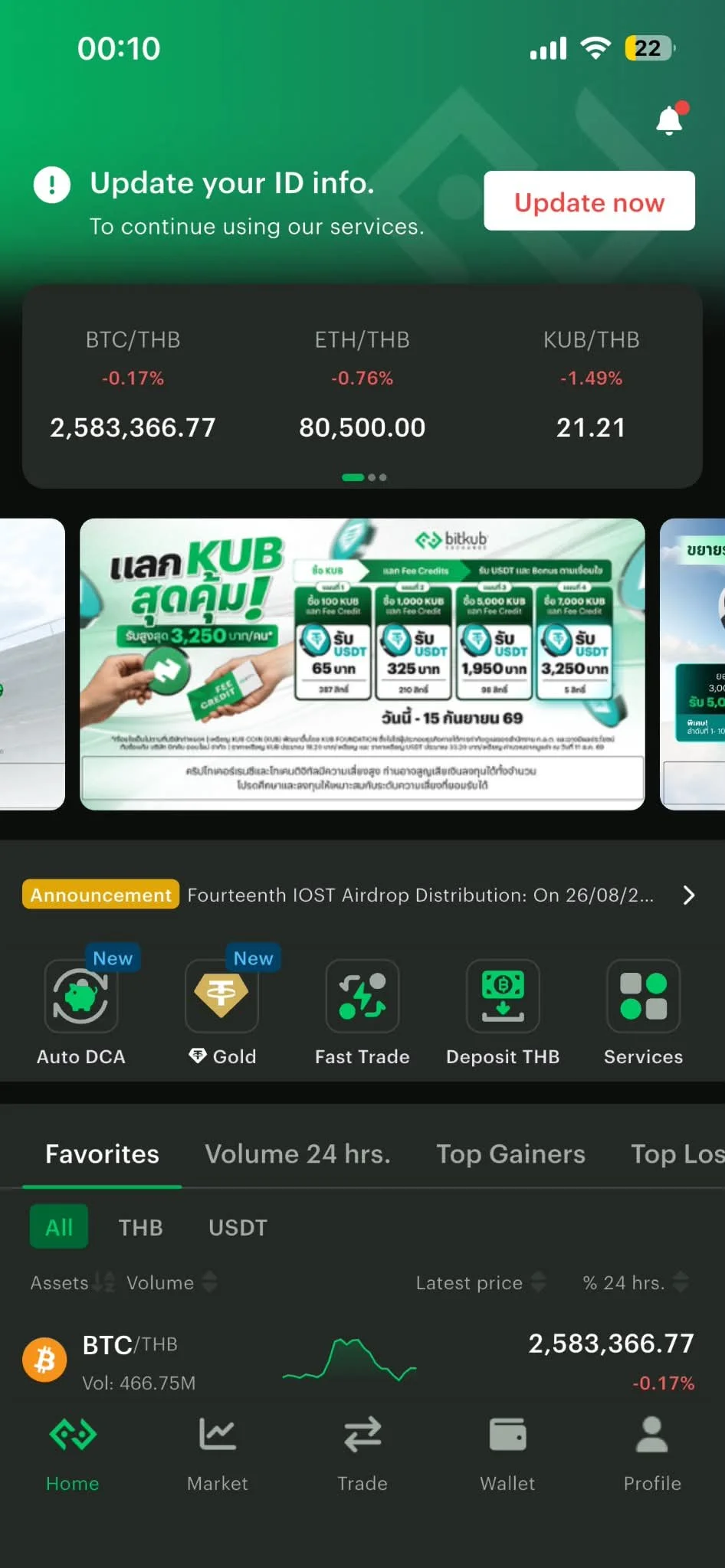
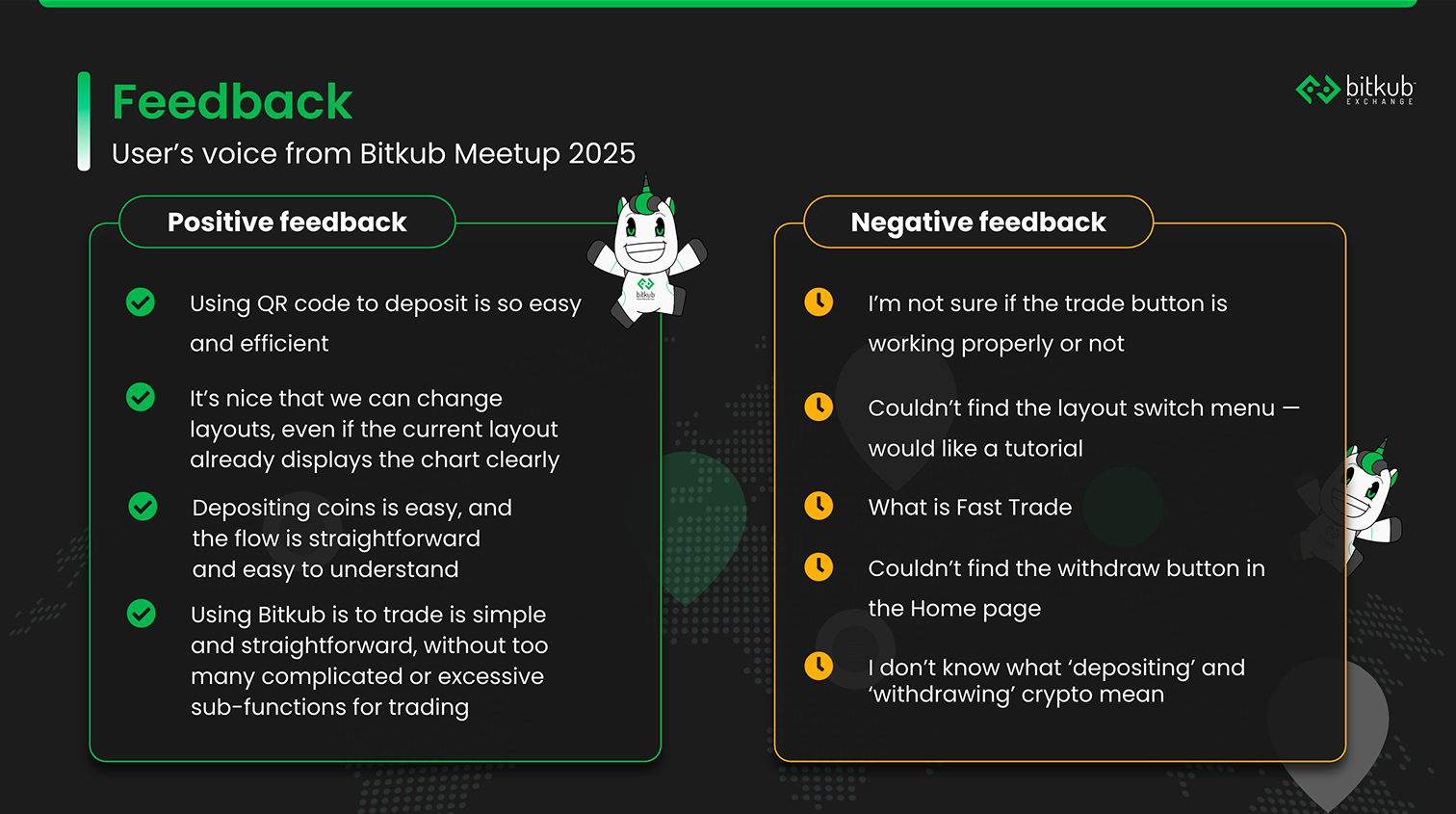
Users had difficulty locating Fast Trade
They misunderstood its purpose — it wasn't clear what the feature was for
They were unsure when to use it versus standard trading
And a fourth, deeper finding: even once users found Fast Trade, most said they'd still prefer to open the full chart before buying. So discoverability is the lever that unlocks the users who want a quick buy — not a guarantee that everyone will switch.
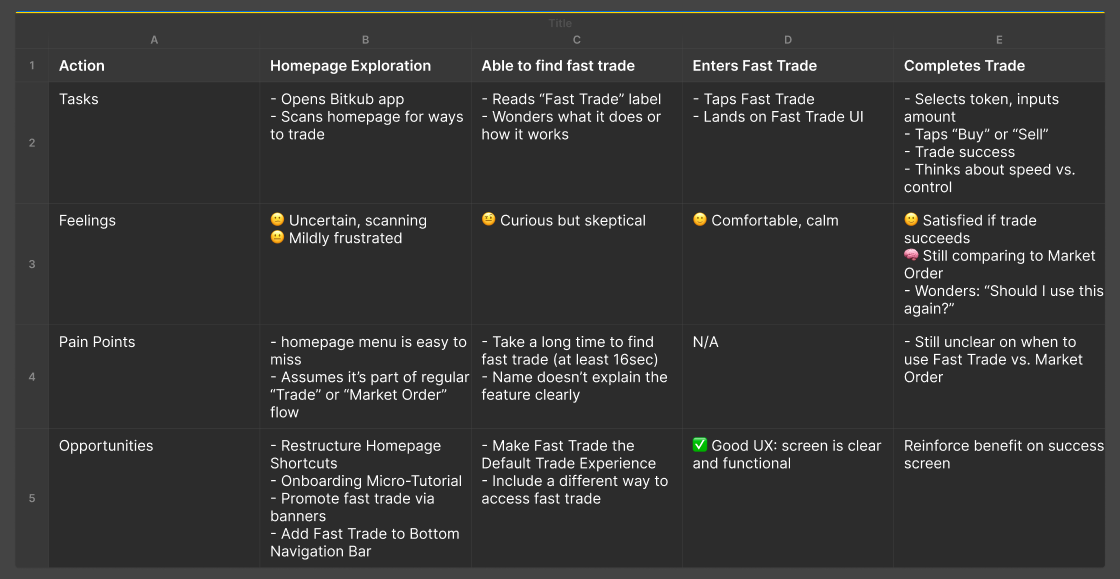
Journey Map: mapping the experience showed frustration during the search, uncertainty about terminology, a rise in confidence once inside the flow, and lingering confusion about when the feature was meant to be used.
Recommendation
These are possible directions rather than finished answers — early hypotheses I'd want to validate with users before committing.
Quick wins
Small, low-effort changes to make Fast Trade easier to notice and understand — a highlight or badge on the home icon, and a clearer name than "Fast Trade" (something like "Buy & Sell" that says what it does). These ship quickly and help at the margin, but I'd be honest about their ceiling: they make a hidden feature slightly more visible without changing the fact that it lives somewhere users don't naturally look. A nudge, not a cure.
Surface it at the point of intent — the deeper fix
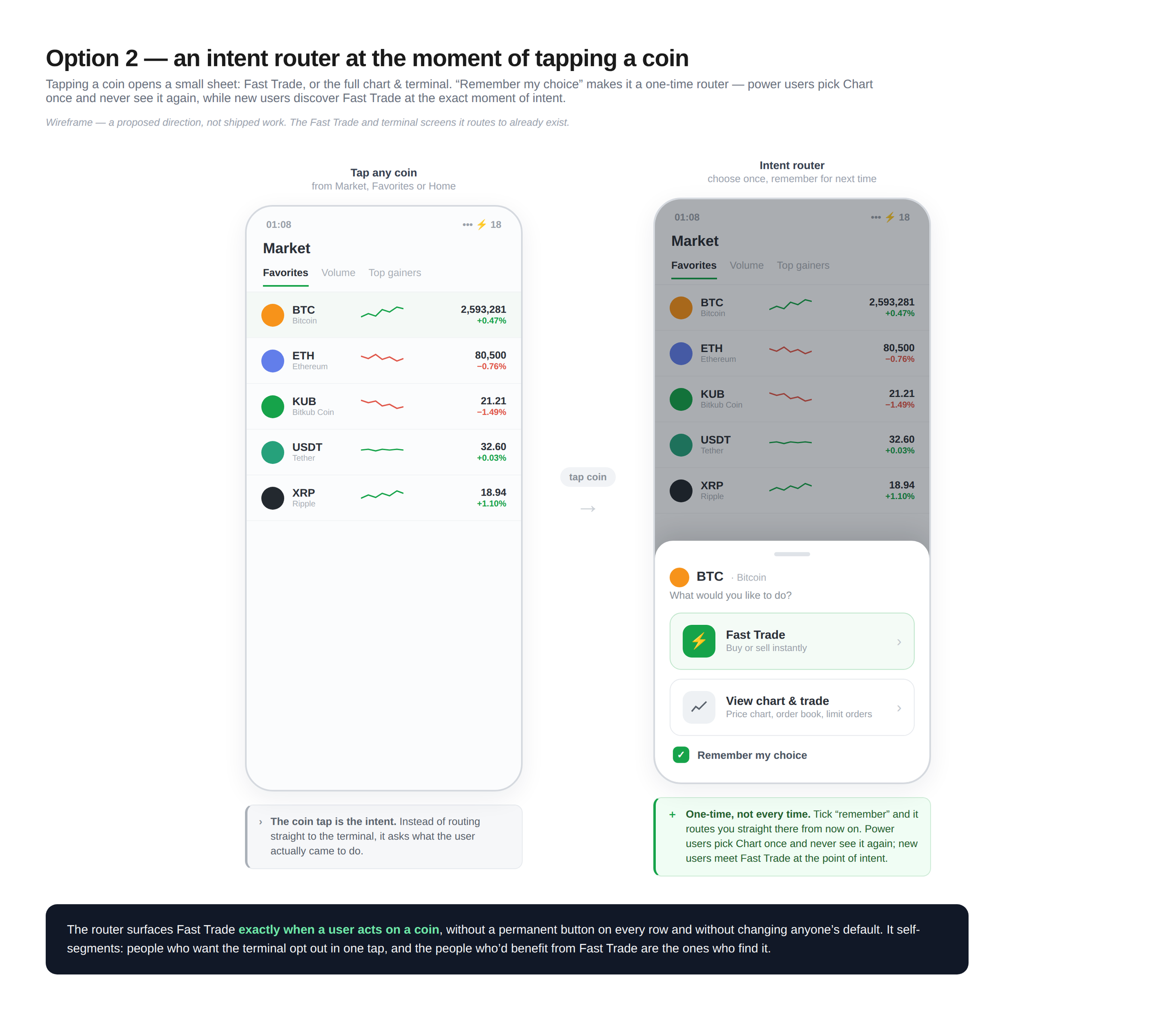
The moment people act on a coin is when they tap it. Instead of routing straight into the full trading terminal, that tap could open a small prompt — Fast Trade, or the full chart and terminal — with a "remember my choice" option. It becomes a one-time router: users who want the terminal pick it once and never see the prompt again, while newer users meet Fast Trade at the exact moment of intent. Nothing is taken away, and no one's default is changed. This targets the root of the problem rather than just its visibility.